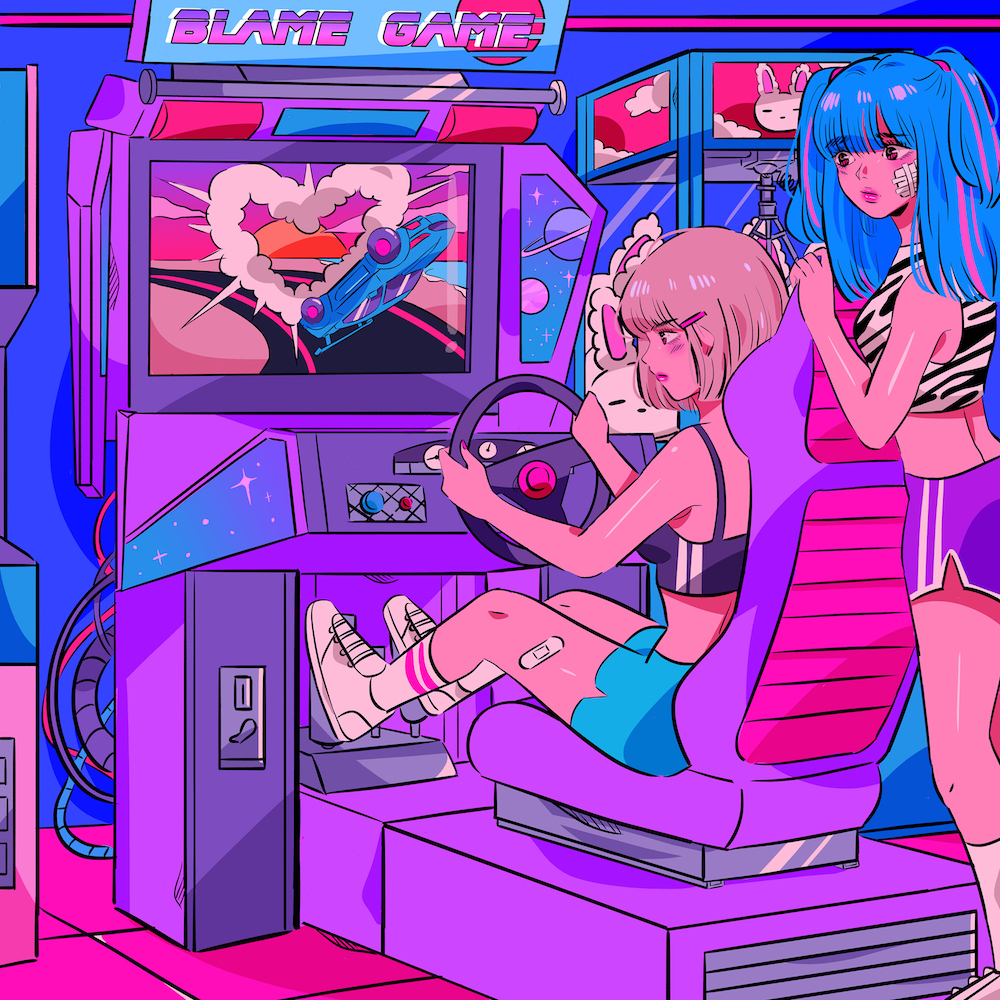
| EP | Blame Game |
| Artist | Beach Bunny |
| Released | 15 January 2021 |
| Best track | Good Girls (Don’t Get Used) |
| Worst track | Love Sick |
| Undertone rating | 5/5 |
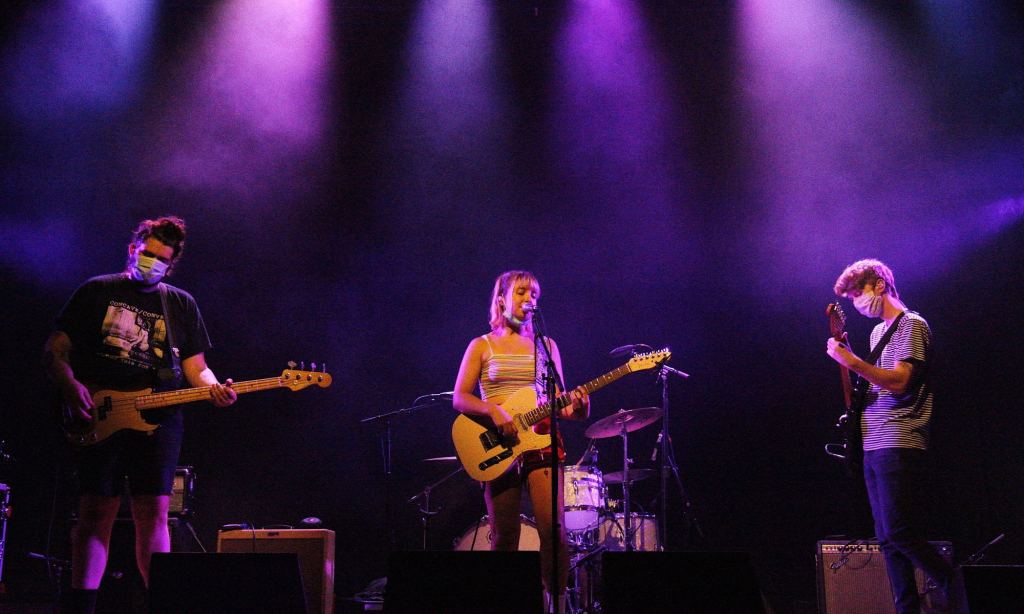
Beach Bunny first popped up in my Spotify Discover Weekly with their single Dream Boy in November 2019 and you could be forgiven for thinking I haven’t stopped talking about them since. I named Dream Boy as my third favourite song of 2019, and the February debut album Honeymoon was surely the album of the year. The follow-up EP Blame Game had also prematurely made it to an end of year list with lead single Good Girls (Don’t Get Used) being my second favourite track of 2020, beaten only by Honeymoon’s Cuffing Season to the top spot. It goes without saying that this isn’t just a handful of good songs – this is an obsession. The t-shirt merchandise is bought, the concert tickets are optimistically pinned to the noticeboard (postponed twice, but I’ll wait), the dozens of bangers are learnt by heart on the piano. The release of just three brand new Beach Bunny tracks is beyond thrilling.
The first thing that hits you about Blame Game is its anger. It’s the most feisty, boisterous Beach Bunny release to date, with moments of explosive rage to make the confessions of love at the close of Honeymoon seem rather pitiful. In contrast, Blame Game sees Lili Trifilio go full-throttle pop punk, and unapologetically so. Part of the anger comes from the broadened scope of Trifilio’s lyrics; she is no longer recalling a wayward ex-boyfriend, but instead the complex and often monstrous state of modern masculinity. Killer track Nice Guys is the angriest of the bunch, the Trifilio belting about lonely, insecure ‘nice guys’ over a power chord backing that wouldn’t sound out of place on a Prince Daddy & the Hyena record. “You got in my pants then left my ass and made me cry, right?”, she taunts over the cacophony. This, like a lot on Blame Game, feels like a long way away from the tame ultra-relatable indie pop tracks like Prom Queen that first shot Beach Bunny to TikTok virality in 2018. Blame Game is alive and kicking, and tracks like Nice Guys have plenty of extra bite.
Good Girls (Don’t Get Used) is also phenomenal, in large part thanks to that stellar finale which sees Trifilio make the inspired move to ditch the chorus and try something completely new to finish. The resulting punk jam over the words “you say you won’t but then you do” is both blissfully cathartic and huge, huge fun. I’ve said it before and I’ll say it again: it’s the best minute of Beach Bunny’s career. The same fresh song form is used on Love Sick, but this time the chorus being ditched is a frustratingly good one, and so I couldn’t help feel disappointed when the opportunity to air it for a third time was missed. A switch to double time after chorus one is also a great opportunity to dance, it’s just a shame it doesn’t lead anywhere.
In the build up to the release I was most excited to hear the title track, which closes the EP, as Trifilio teased that it was the most important song she’s ever written. It really is. As a lyric sheet, Blame Game is a heartbreaker, with Trifilio lamenting modern rape culture and how subtle but damning misogyny can occur when a victim speaks up. Trifilio seems tragically powerless when a police officer asks “What’s she wearing?” or a TV news interview dismisses a victim as “loose”, and by implication, ‘asking for it’. In the end, Trifilio doesn’t even seem to opt for the typical Lizzo-esque stance of self-empowerment. Instead, she gives in: “Guess it’s my fault my body’s fun to stare at / Sorry my clothes can’t keep your hands from grabbing”. What’s most arresting about these lyrics is their packaging. After a slickly-executed tempo change (a Beach Bunny first, I believe), the chorus melody is stubbornly jubilant and in the major key, like something from a Disney musical. Jon Alvarado’s stomp-stomp-clap drum groove is likely to give a smile to listeners not inclined to listen any closer. Blame Game therefore winds up sounding as troubled and nuanced as its subject matter. Trifilio’s sarcastic “guess it’s my fault” attitude may suggest some sort of bold comedy in the bleakness, but really Blame Game is an auditory smile through gritted teeth, a fake laugh in response to a too often overlooked flaw entrenched in our society.
The title track’s delicate balance between cultural importance and singalong bangers is the key to the whole EP. Blame Game is a tight, often searing critique of men and their often deeply problematic relationships with women, and yet the EP is also a celebration of music and individuality. Through some magical songwriting powers, Trifilio has transformed her disgust for the state of the world into something urgent yet danceable, lyrically heavy yet euphoric.
I’ve talked about Beach Bunny enough for now, but after hearing Blame Game I can tell you with certainty I’ll be back for more.
 Undertone
Leave a comment