
With the big releases of Vulfpeck’s Hill Climber and the scintillating Still Woozy single Habit filling my December listening, January has been a relatively quiet month in terms of new music discoveries. As with shows like ‘Bojack Horseman’, ‘Dear White People’ and ‘Easy’, Netflix has once again helped ease the new music drought by introducing me to the whacky world of Ezra Furman through ‘Sex Education’. January didn’t lack exciting fresh releases, but they didn’t take off as I’d have hoped – half•alive’s comeback single after last summer’s viral Still Feel. proved underwhelming, and whilst the new dodie EP Human was good, the lead single Monster didn’t blow me away as it had done for many others. In the middle of the month I went to a thrilling and in many ways surprise Mom Jeans. concert in Leeds. The band themselves were fairly good but seemed lackluster and tired, leaving the boisterous supporting act Just Friends to steal the show. I’ve been in love with their most recent album Nothing but Love ever since. The end of the month saw a flurry of promising announcements – a new Lemaitre song (Fast Lovers), an upcoming Cage the Elephant album and new single (Ready to Let Go from Social Cues) and, perhaps most excitingly, what is shaping up to be a pitch black debut Billie Eilish album, WHEN WE ALL FALL ASLEEP, WHERE DO WE GO?. Good times are ahead.
Hurt
by Oliver Tree (Single, 2018), Song of the Month (January 2019)

Los Angeles producer, vocalist and professional scooter rider Oliver Tree is as confusing as he is hilarious. With his bold 80s fashion choices and dark sunglasses, him and his bowlcut have been selling out huge venues across the world since his impressive EP Alien Boy came out early last year. Make no mistake, when Oliver Tree does things, he goes large. Take the music video for his most recent release Hurt, for example. It features a tank, ridiculously oversized clothing, and a dog with a bowlcut, before culminating in Tree being crucified on a thirty-foot tall scooter. It must be seen to be believed. With all this hilarity, you’d be forgiven for thinking Tree’s music revolves around comedy too. Instead, he takes a more serious approach to songwriting, and Hurt hits hard with raw lyrics and vocals set to a backdrop of pounding synths and drums. Tree keeps it simple with structure, getting that hook stuck in your head as quickly and efficiently as possible in the song’s tantilising two minutes and 26 seconds runtime. Tree veers towards rock in the pre-chorus before honing in on a devastating electronic beat in the chorus with a kick drum that might simply be too much for your speaker to take. Oliver Tree’s public appearances might consist of fun and games, but it only serves to increase the potency of his music, which seems like the only place we can see the real Oliver Tree. Hurt is the most enjoyable window into Tree’s personal life to date, and I just can’t wait for more.
Voodoo
by Age.Sex.Location (ASL 1 Beach House – EP, 2018)

Musical collective Age.Sex.Location have a laid-back approach to songwriting. Despite the slickness of their production, they say they aim to produce their music “without pretention or overthought”, seeing what comes to them and working with it. Their first 2018 EP, Beach House, is the first of a series and was fittingly created in a single 72-hour session in a beach house. As such, the music feels deeply authentic, a far cry from the over-processed, homogenised world of modern pop. No song on the EP sounds more authentic than the incredible Voodoo, which seems to posses that magic, captivating quality that few other songs have. A gently crackling record player and haunting guitar coax you in, before ASL indulge you in John Ryan’s enthralling vocals. Before you know it, you’re knee-deep in a dreamy yet unsettling piece of electronic music that feels darkly comforting. With a disorientating pause, electronic drums shudder into gear, and Shungudzo takes the mic with a hypnotic hook. ASL have miraculously managed to match lyrics and music perfectly, as the two vocalists sing about a controlling, toxic relationship that feels devastating to the listener, even if not directly relatable – a hallmark of a fantastic track. Finally, with mournful strings and the now trademark “What’s that sound?” soundbite, Voodoo sends you back into the world spellbound and begging for more.
Fever
by Balthazar (Fever, 2019)

Balthazar’s Fever, the six-minute long opener to their recent album of the same name, sounds like nothing I’ve ever heard before. Since starting out as a rock band, the Belgians have developed a unique take on indie pop with elements of neo-psychedelia and electro-pop that fuse to create a whole new flavour of music. The psychedelic title track marks the peak of the band’s career as their first single to feature in the Belgian charts, a particularly remarkable feat considering the song’s unconventional length. Fever is a mesmeric masterclass in unique song structure. Each of the song’s elements – a funky bassline, a twinkling synth, tribal vocals, an aggressive guitar riff – are introduced one at a time throughout the song. Like characters in a play, we get to know them and how they interact with one another, before the unlikely cast synthesise brilliantly in the song’s epic denouement. Fever plods along hypnotically, only occasionally giving you time to breathe before a ruthless kick drum sets things bouncing once again. The abnormal structure and Maarten Devoldere’s menacing vocals help keep the mostly short ostinatos from feeling monotonous and boring, a common flaw of more ambitious, longer songs. With Fever, Balthazar have shown their excellence built up from years of under-appreciated albums, condensed into an unforgettable six minutes of polyphony.
Love You So Bad
by Ezra Furman (Transangelic Exodus, 2018)
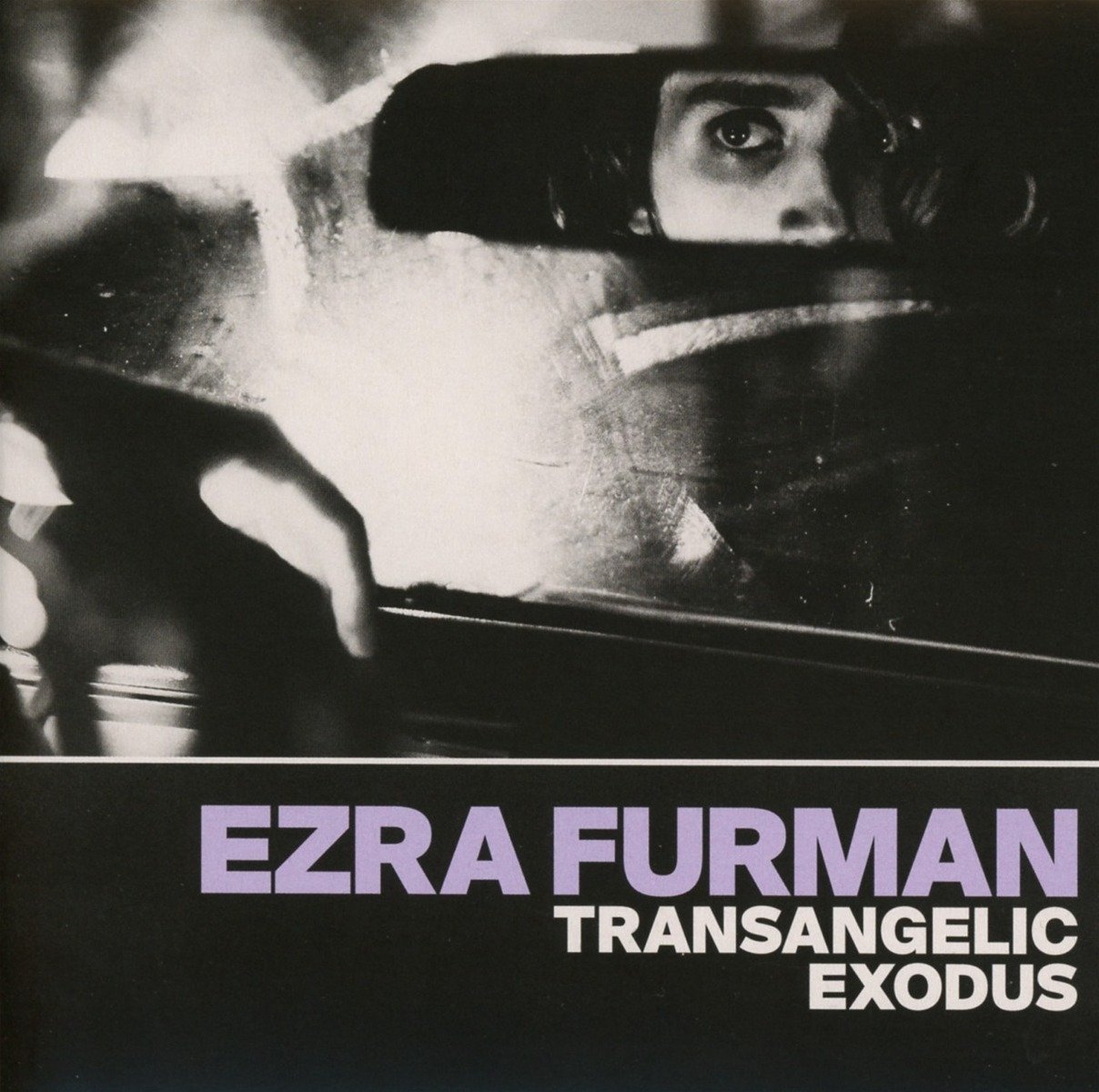
I’m afraid I can’t take credit for finding this gem (nor can I for many other songs featured on this blog – thank you Sandy, Emma, Ewan and others). Ezra Furman’s music – particularly this song – is adorned all across Netflix’s recent series ‘Sex Education’, and there is no sweeter introduction to the gender-fluid maverick than Love You So Bad, a melancholy standout to Furman’s well received 2018 LP, Transangelic Exodus. The song is wondrous in its simplicit. The instrumentation is built up from a single, chugging cello, which forms a basis for an emotionally powerful yet harmonically simple ballad. As always, Furman’s lyrics are beautiful, reminiscing about “sneaking cigarettes underneath the football bleachers” and “tearing pages out the back of the hymnals” back at school. Furman continues with the childhood theme, literally (but musically) weeping into the microphone in the stunning climax. Along the way we hear about Furman’s mother’s alcoholism, a touch of philosophy (“the past is the past / but then again the present’s nothing without it”) and how his partner has left away and got a job, with all the tender emotion present via Furman’s unapologetically imperfect yet highly emotive vocals. Love You So Bad is one of the most potent love songs I’ve heard in years, and I’m not going to forget it any time soon.
Supersonic
by Just Friends (Nothing but Love, 2018)
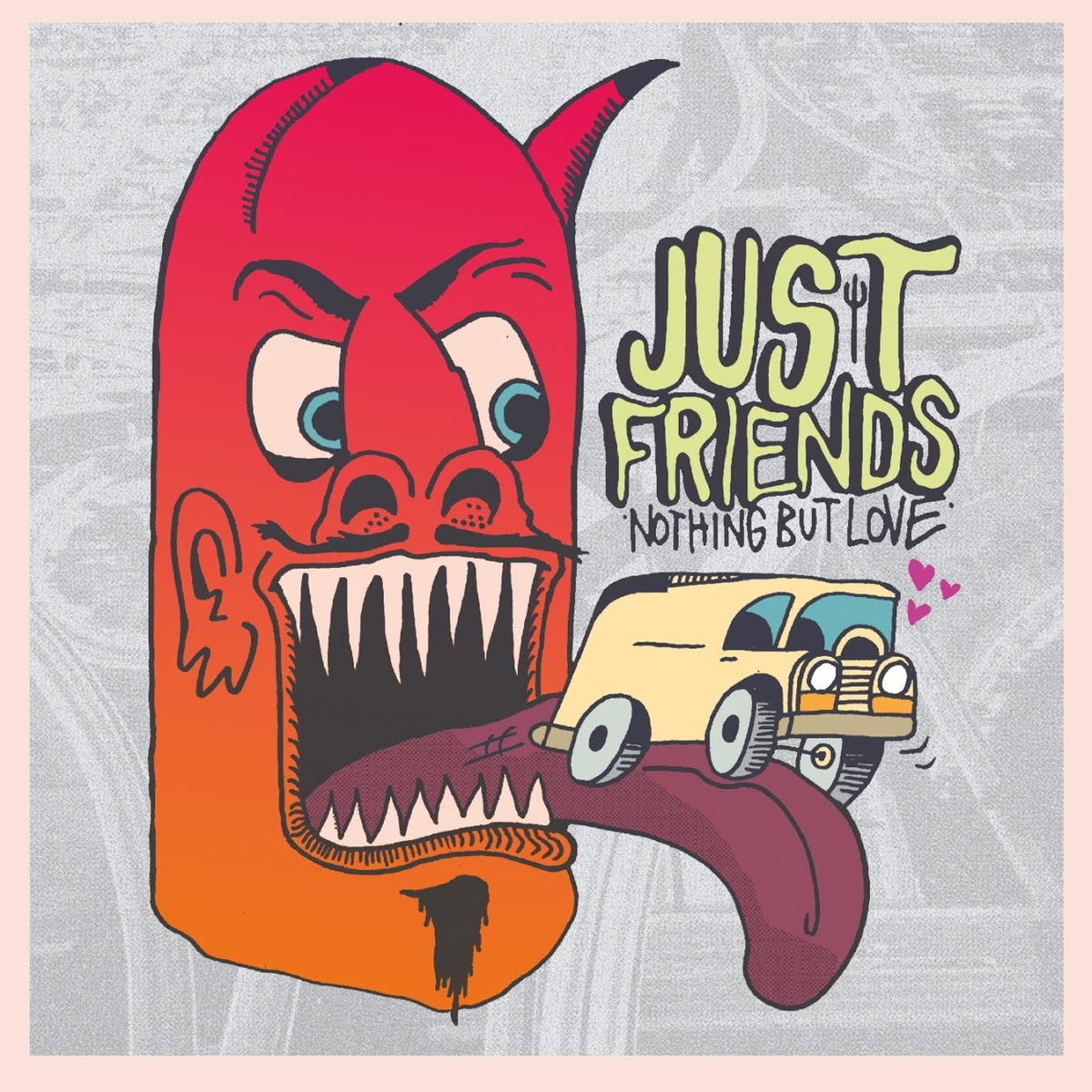
It’s 9:30 p.m. at Brudenell Social Club in Leeds and a cluster of unknown musicians is gathering onstage. Guitars begin to whir and drums produce the occasional thump, but it all feels like a test, or a technical failure. But before we know it, yet more musicians, brandishing guitars, a trumpet and a trombone, leap on stage and a stonking riff takes the entire crowd by surprise. Vocalists dance and whirl around the stage, delivering the occasional line of rap or belting high notes. Little did we know we were bopping to Just Friends’ Supersonic, and as we were quickly discovering, this is most certainly a band best served live. The seven-strong collective have embraced the modern trend of horns in emo music (see Mom Jeans.’s Scott Pilgrim v. My Gpa and Graduating Life’s Cold Raviolis) and came out with a whole new genre altogether. Just Friends are far rosier than emo and closer to ska and funk, yet not without the same cymbal-heavy rock drums and distorted guitars. In an album with no shortage of riff-heavy bangers like Keep Up and Get Down, Supersonic is the highlight. The band playfully keep you on your toes by starting up in the jarring 7/4 time signature, before settling on that memorable horns riff. Vocalists Sam Kless and Brianda Goyos León dominate attention with their contrasting vocal styles of aggressive rap and soulful wailing respectively. With a brief breakdown and a second chorus, Supersonic is gone in a flash, although the band can’t resist a superfluous yet fun final bash (see the end of Worry for even more of the same). With the help of jazz influences, Just Friends have offered an unlikely light-hearted flavour to the modern emo scene, prioritising the fun of music rather than introspection or lyrical depth. The Vulfpeck of rock? I think so.
Little Drama
by Mike Krol (Power Chords, 2019)

Mike Krol sits at the forefront of a new wave of garage rock, embracing dirty and heavily distorted vocals, as well as blasting, cymbal-heavy drumming. His latest album, Power Chords, shows Krol’s revivalist routes, complete with a host of screechy guitar solos and suspended distortion. The album’s highlight, Little Drama, aptly kicks off with a literal explosion, before Krol’s vocals kick in, more grating and gritty than ever. The song takes a sharp turn for the chorus, however, and with the help of a tambourine (a presence welcome in almost any song) and a more or less stock chord progression, Krol has created an incredibly strong hook. Unexpectedly, Little Drama‘s turns out to have the capacity to make you smile and wouldn’t sound out of place being innocently whistled by the milkman. If you can enjoy the cathartic cacophony of Little Drama without getting a headache, then you’ll enjoy the rest of Power Chords, which features a good few more hooks to get you singing along.
To Dance Is to Love
by Charlie Burg (Three, Fever, 2019)

Charlie Burg’s To Dance Is to Love is no doubt the most uplifting song I’ve become aware of this month. It features on the final of a triology of R&B EPs, and sees Burg’s smooth vocals riffing over a delicious bassline. The fresh-sounding incorporation of strings add a folk-style bounce to the chorus, making To Dance Is to Love sound remarkably original. Burg likes to keep things exciting, too. At the end of the second chorus, the listener is plunged in to a blissful half-time electro groove, not unlike the one featured in the soul-destroying climax of Parcels’ epic Everyroad. Unlike Everyroad however, Burg keeps things lightweight, leaving exceptionally funky drummer Levi O’Brien to close off the song. To Dance Is to Love is a song to be enjoyed like rich caramel or chocolate – indulgently smooth and equally irresistible.


Leave a comment